In home decoration design, the balance between dynamic and static
Is a crucial concept
Movement and stillness do not only refer to the activity and quietness of space
It also includes visual, auditory, touch and other feelings
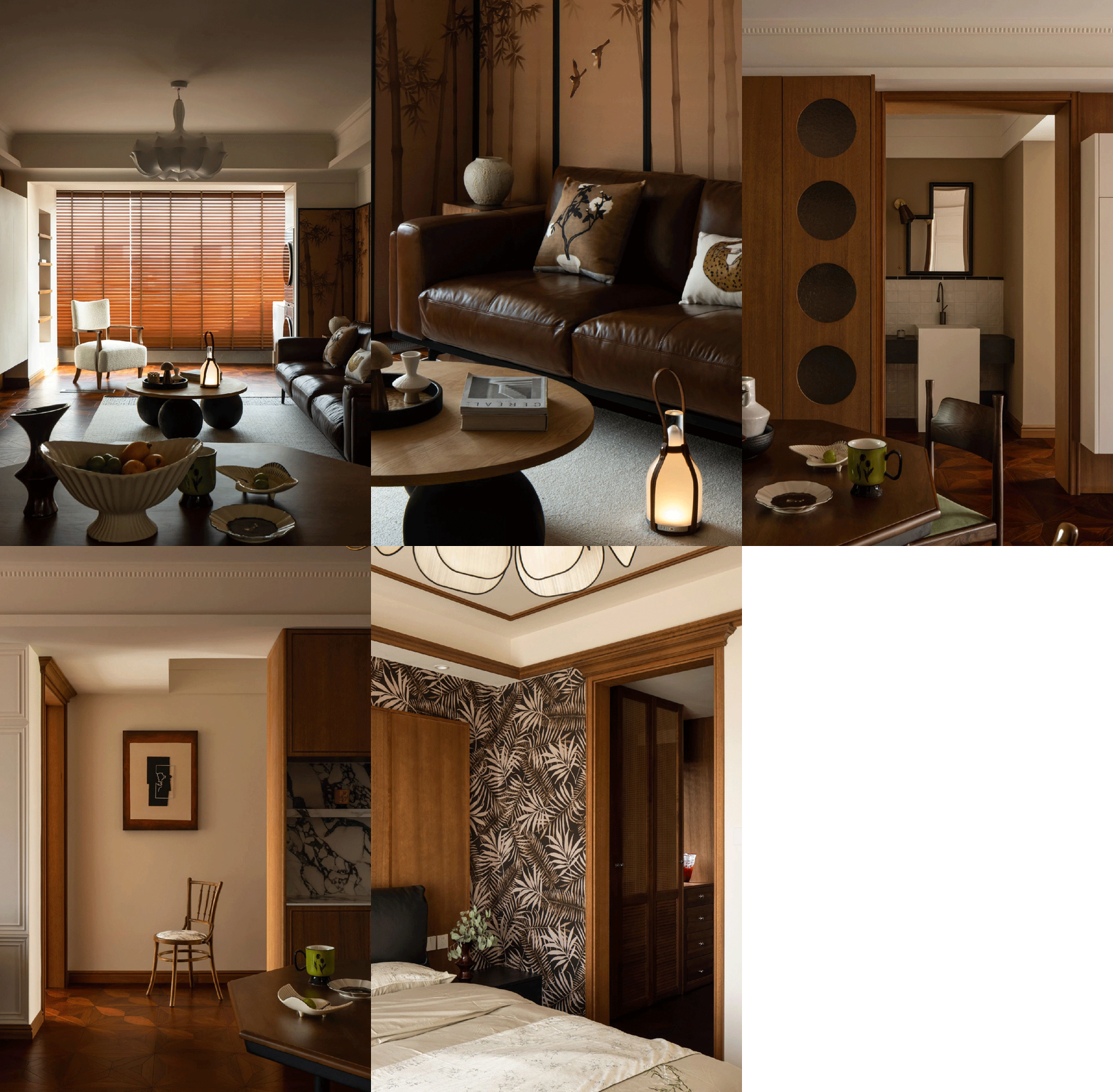
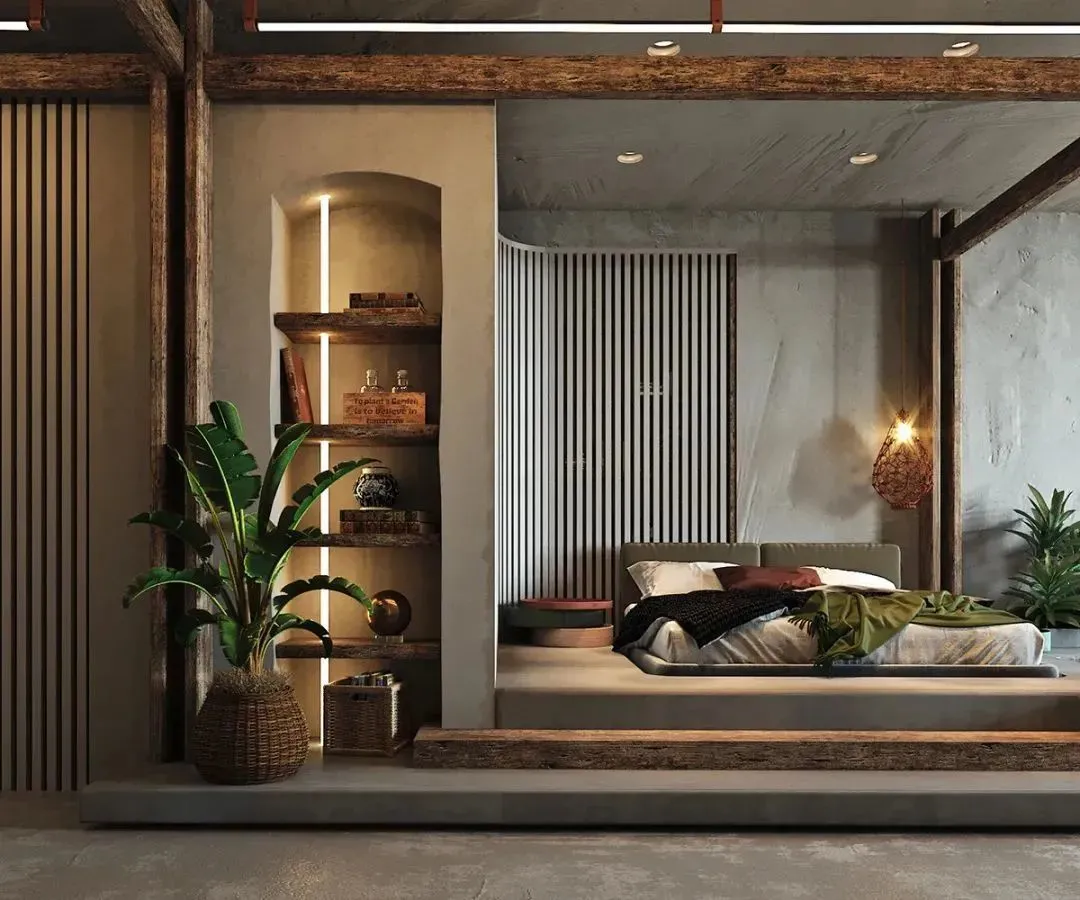
Dynamic elements can bring vitality and life to a space. For example, choosing bright colors, flowing lines, interesting patterns, etc. can create a vibrant and dynamic atmosphere. Dynamic elements can be reflected in the choice of furniture, such as chairs with unique shapes and artistic decorations.
In addition, the use of light can also create dynamic effects, such as introducing changing light through windows or lamps to make the space more vivid.
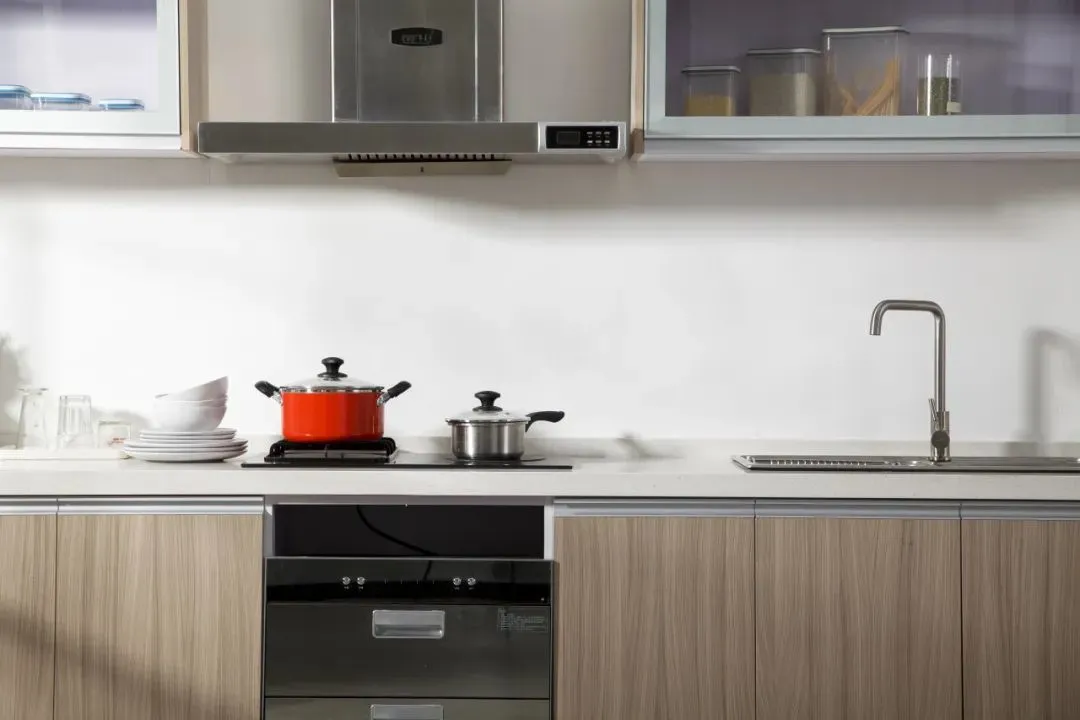
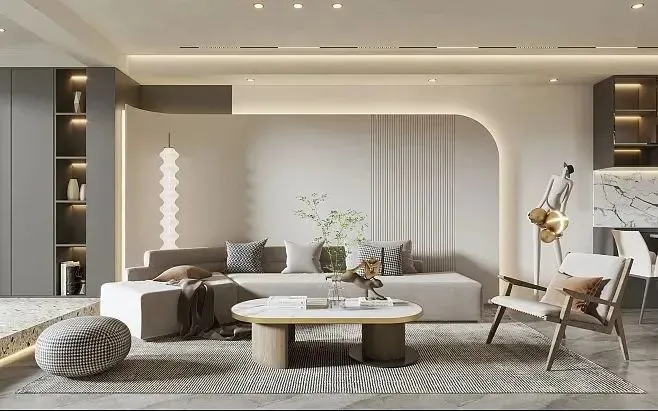
Static elements can provide a sense of tranquility and comfort.Choosing soft colors, clean lines, natural materials, and more can create a quiet and relaxing atmosphere. Static elements can be reflected in the layout of furniture, such as placing comfortable sofas, soft carpets, etc. Additionally, adding some greenery or water features can also bring a sense of serenity and nature.
In addition to visual movement and stillness,Sound and touch can also have an impact on how space is perceived.For example, choosing materials with good sound insulation can reduce the interference of noise and create a quiet environment. While soft textiles and comfortable furniture can provide a good tactile experience and increase the comfort of the space.
In fact, the design of large apartments often needs to pay more attention to functional zoning to make full use of space and meet the needs of residents. Here are some ways to design functional partitions:
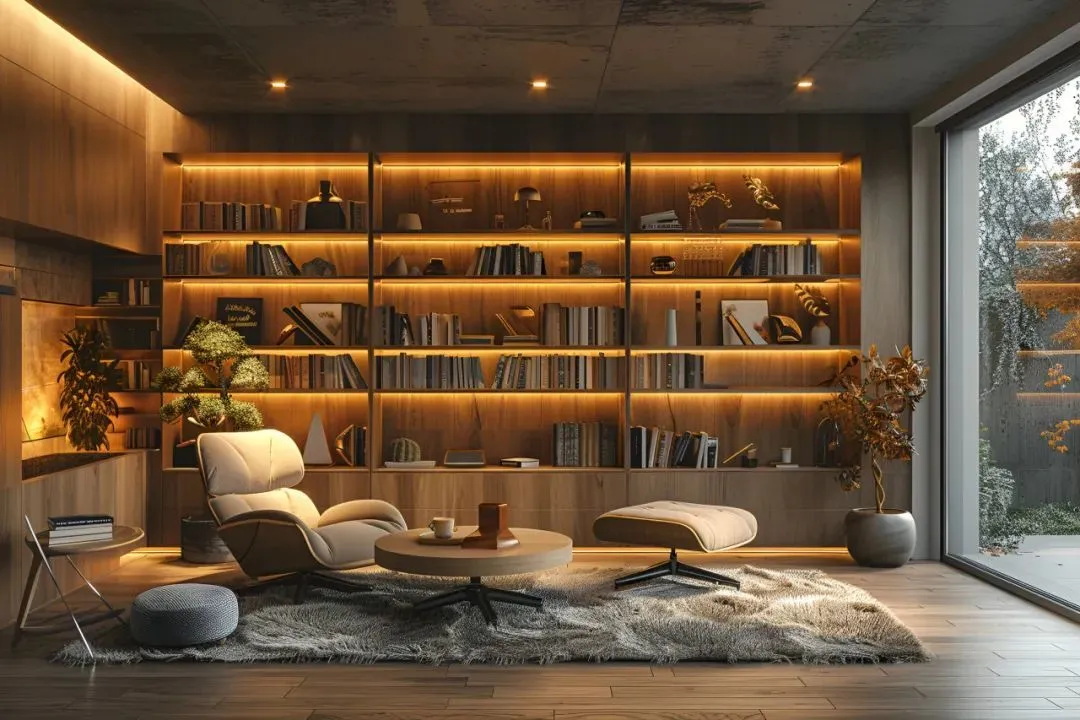
Clarify life needs:Before designing, we must first clarify the living needs of the residents. Consider the number of family members, living habits, hobbies and other factors to determine the functions of each area.
Living room zoning:For the living room of large apartment, you can divide different areas through furniture arrangement, such as leisure area, TV area, reading area, etc. Use furniture such as carpets, screens, or sofas to define different areas.
Bedroom zoning:The master bedroom can be set up with a separate dressing room and toilet, adding to the layering and functionality of the space. Children’s rooms can be divided into learning areas, play areas, etc. according to children’s age and needs.
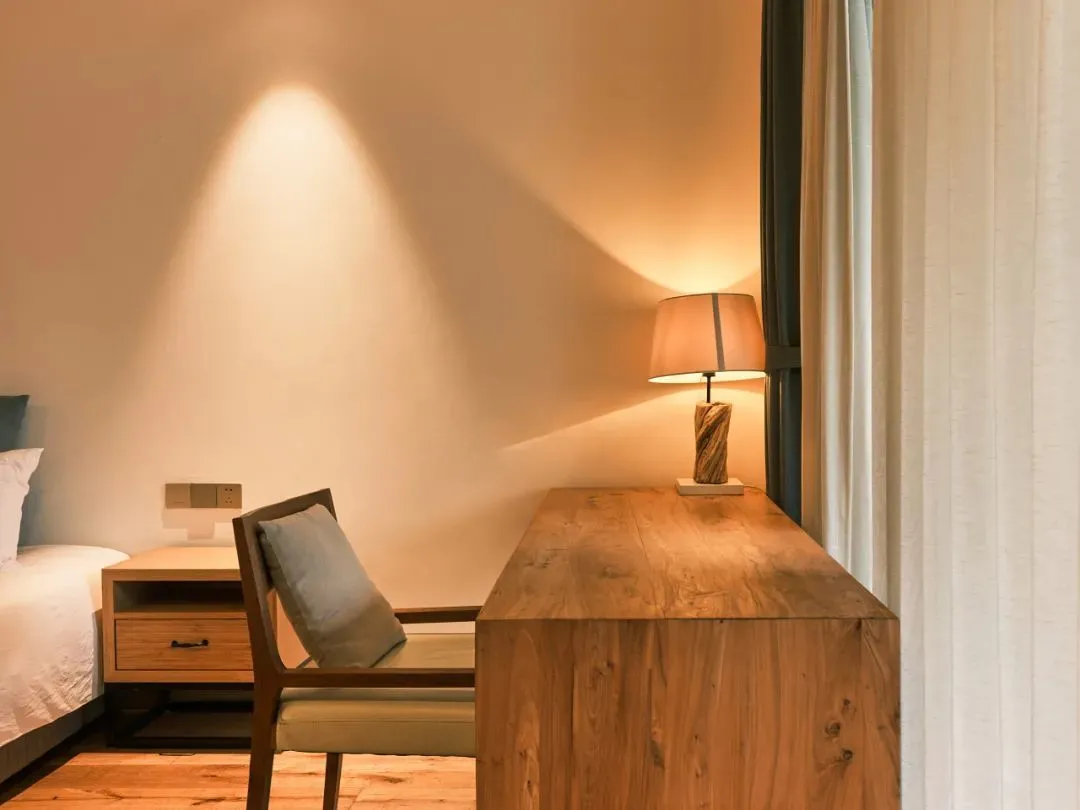
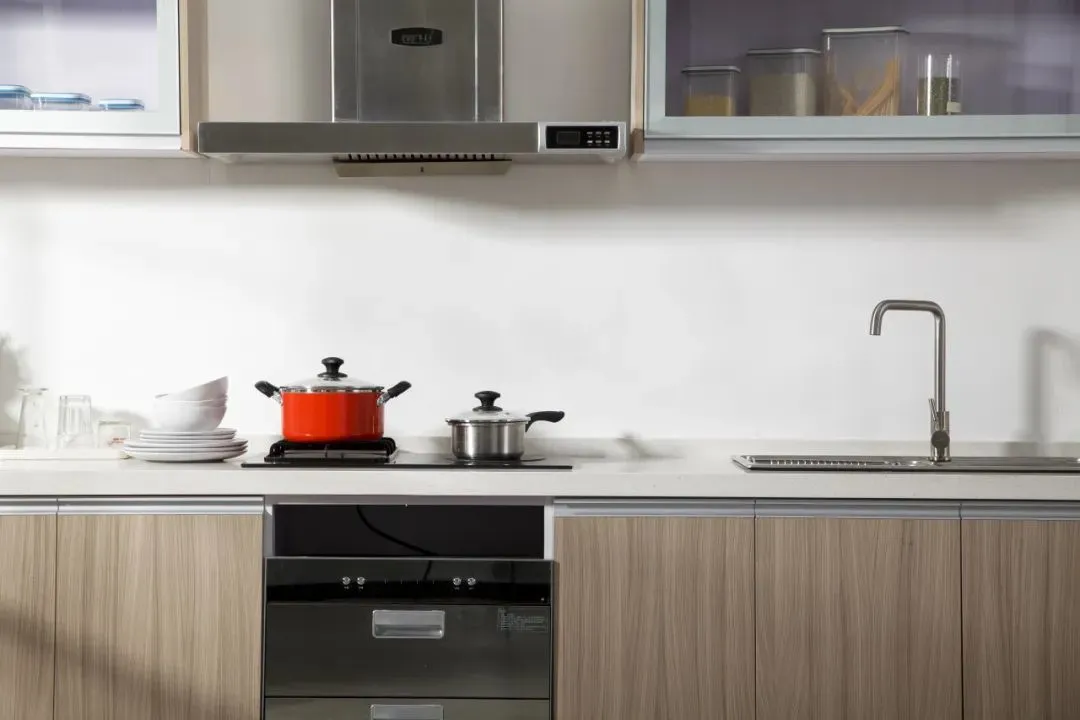
Kitchen Dining Zone:Design independent kitchen and dining area, or adopt the design of combining open kitchen and dining room, and make reasonable layout according to cooking habits and dining needs.
Work and Recreation Areas:If there is a need to work or study from home, a dedicated workspace or study room can be set up. At the same time, you can also set up leisure areas, such as audio-visual rooms, gyms, etc.
Flexible partition:Using flexible partition methods, such as mobile screens, sliding doors, etc., the space division can be adjusted according to different usage scenarios.
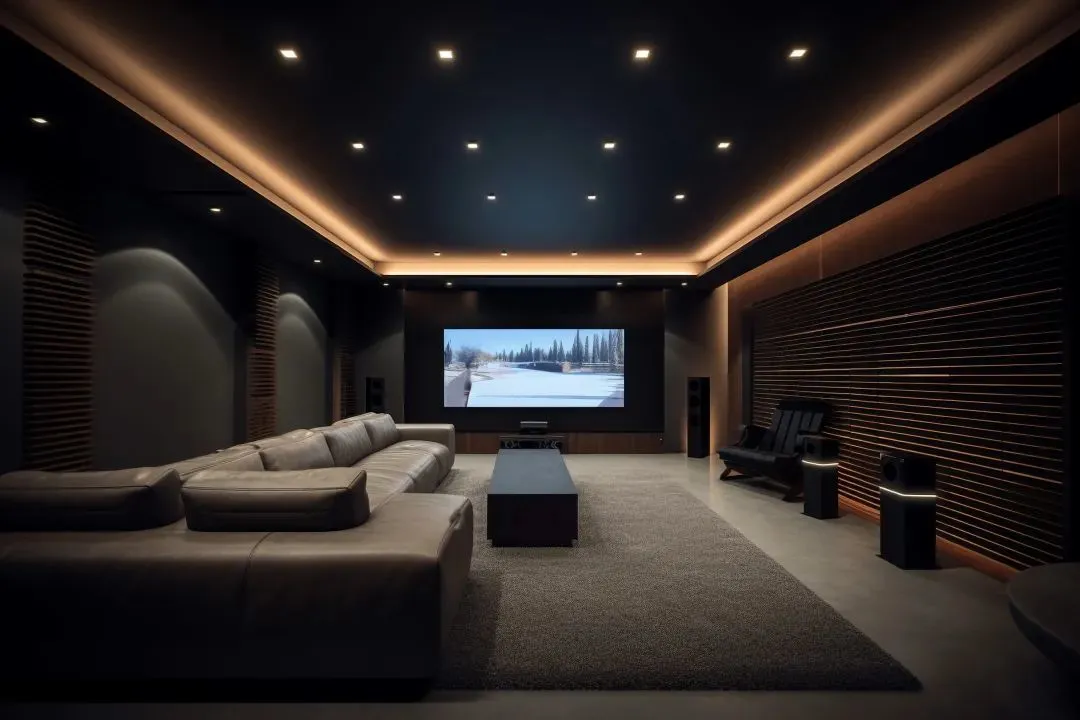
Storage design:Reasonable storage design can make the space more tidy and orderly. Use walls, corners and other spaces to set up customized storage cabinets to increase storage functions.
High and Low Levels:Use the height difference of furniture to create a sense of hierarchy in the space. For example, you can choose sofas, coffee tables, etc. with different heights in the living room, or use dining tables and chairs with different heights in the dining room.
Use of light:Create layering through the design of the lighting. Use primary light sources, auxiliary light sources and accent lighting to highlight the emphasis and characteristics of the space.
All in all, the balance between dynamic and static is to create a comfortable, harmonious and individual space and increase the “happiness” of living.