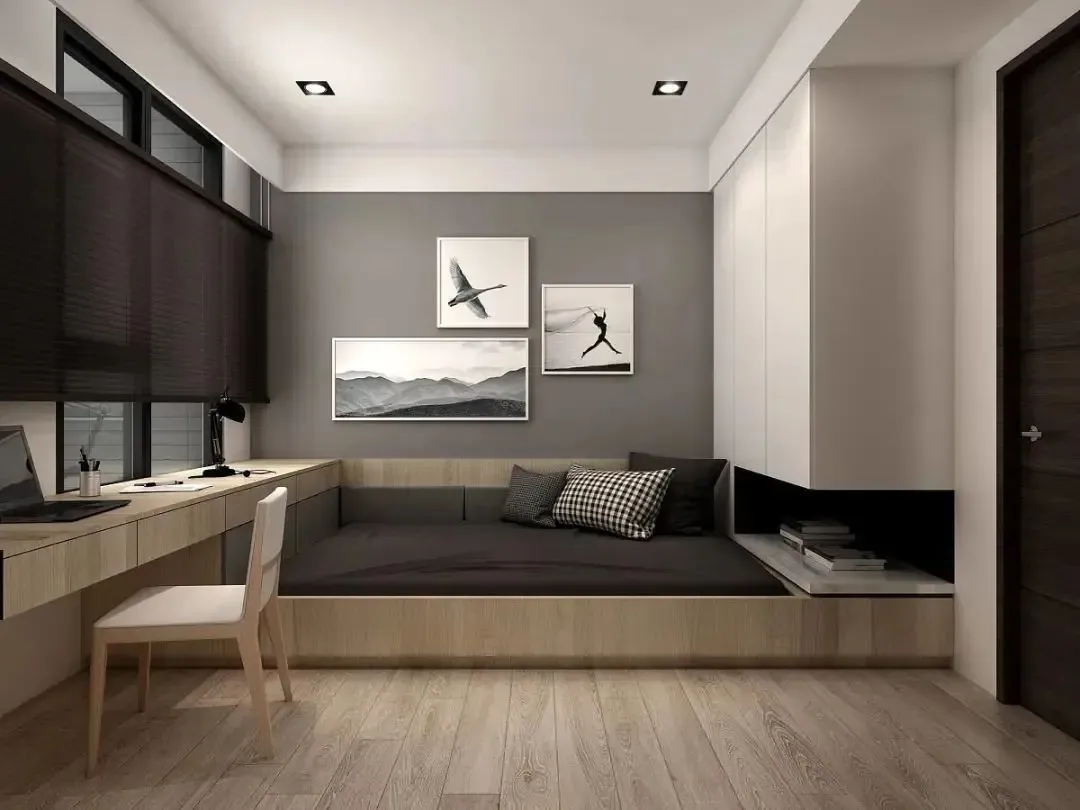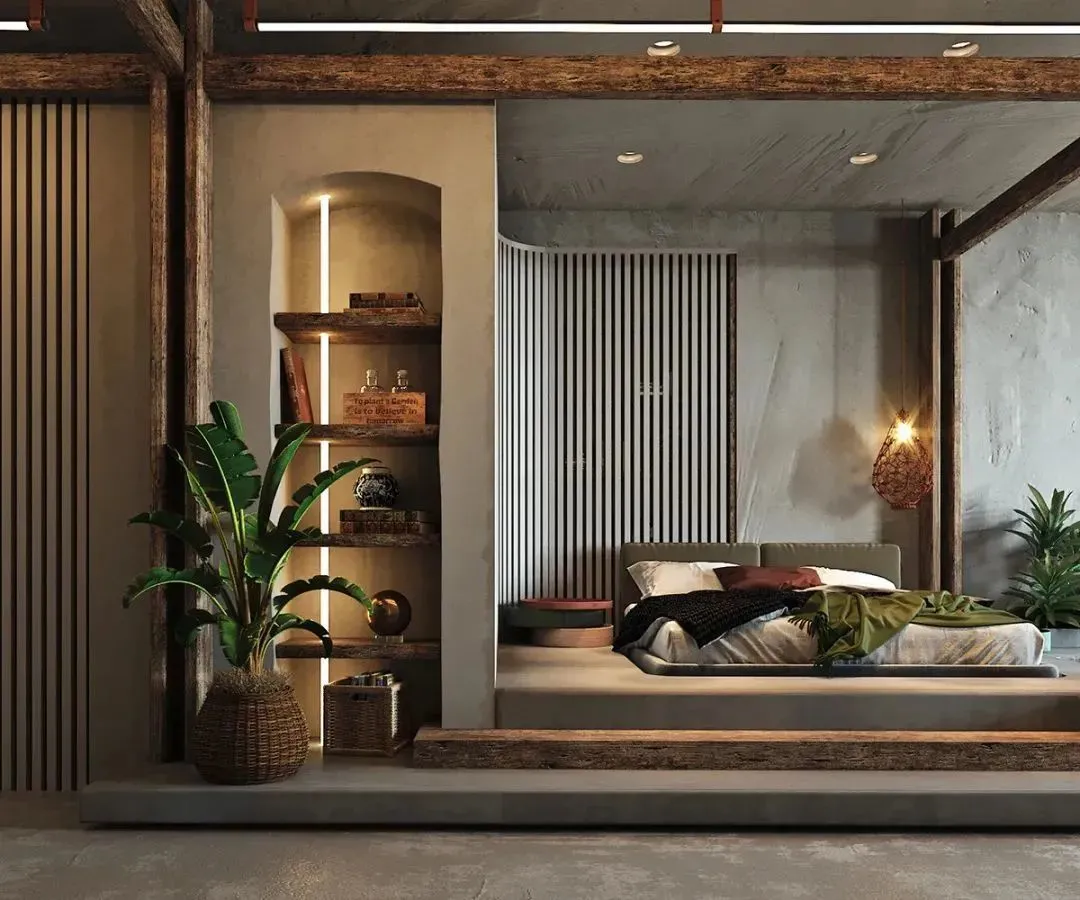
In recent years, tatami mats are deeply loved by everyone, not only because it saves space and has various styles, but also because it has super storage, which makes the room have more possibilities.
What details should be paid attention to in the process of tatami decoration? Let’s take you to understand clearly today ~
01
How to choose the custom style of tatami?
The styles of tatami can be divided into two types: one-piece and combined.
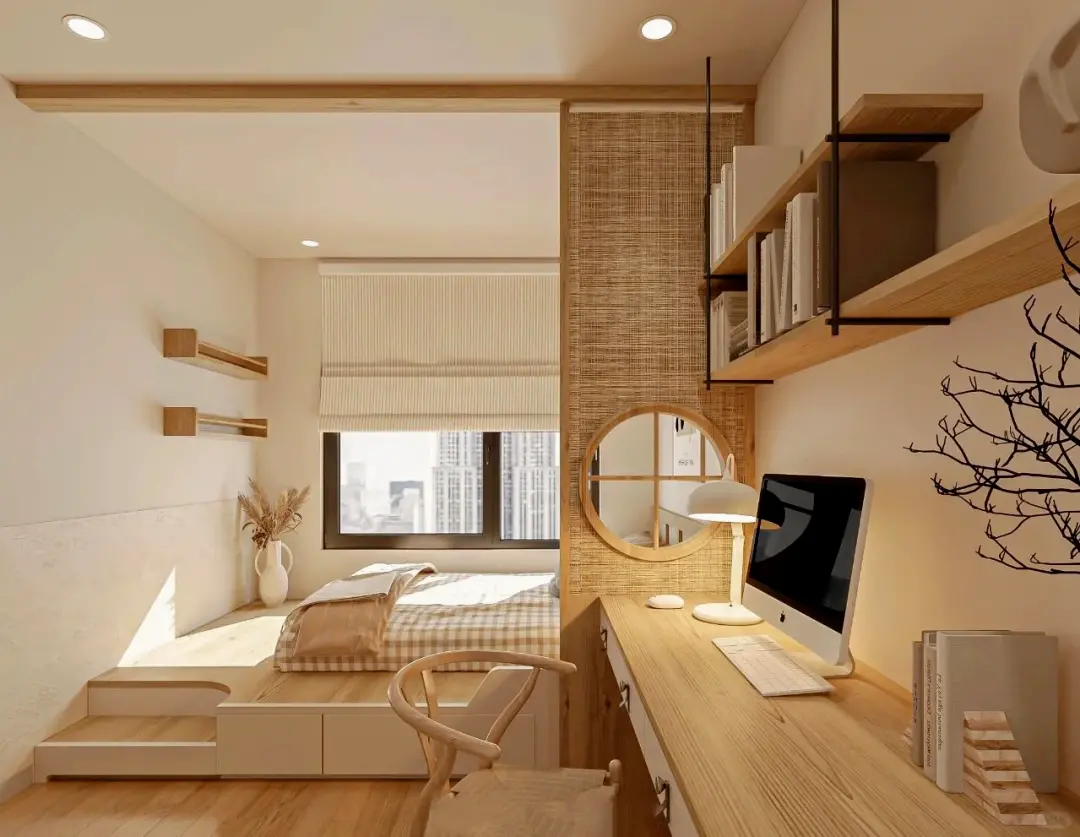
① Integrated type.Boards with a certain shape and size made on site or processed by finished products are assembled into an “one-piece” tatami style through corresponding “parts”, which is large in size and weight, and sometimes even needs to be fixed on the wall or ground, so it will be difficult to move, replace and dismantle. However, it will make the space where it is located have better neatness.
Small tips:Moisture-proof treatment in the “ground area” occupied by tatami mats and leaving enough vent holes can effectively alleviate the internal moisture.
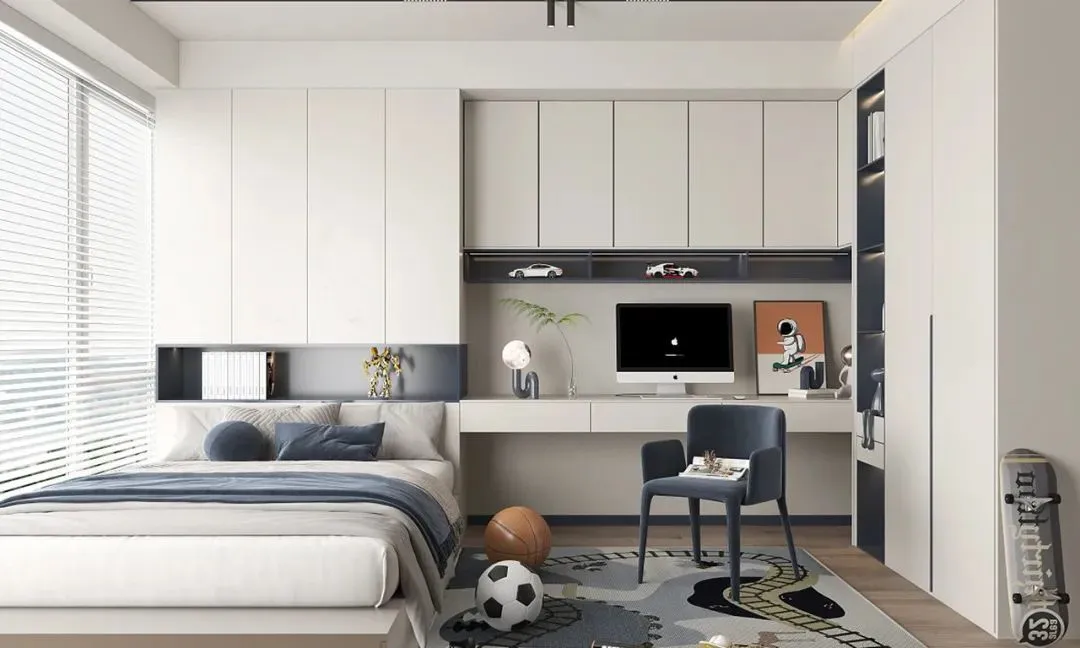
② Combined type.It is composed of a plurality of “independent” wooden boxes with a height suitable for use as tatami mats and which are not fixed at the space interface. When there is a need for use of tatami mats, the boxes can be gathered together to form an appropriate tatami mats pattern according to the shape and size of the reserved position; When boxes are not needed, they can be used as storage boxes, or as seats when the height is suitable, or they can change the functional attributes of the tatami position by moving, etc., bringing more possibilities to the home…
This style of tatami can be moved at any time, simple and convenient, but the storage space at the “bottom” can only exist in the form of a single box, which may have certain restrictions on the size of the stored items.
02
How to design tatami size?
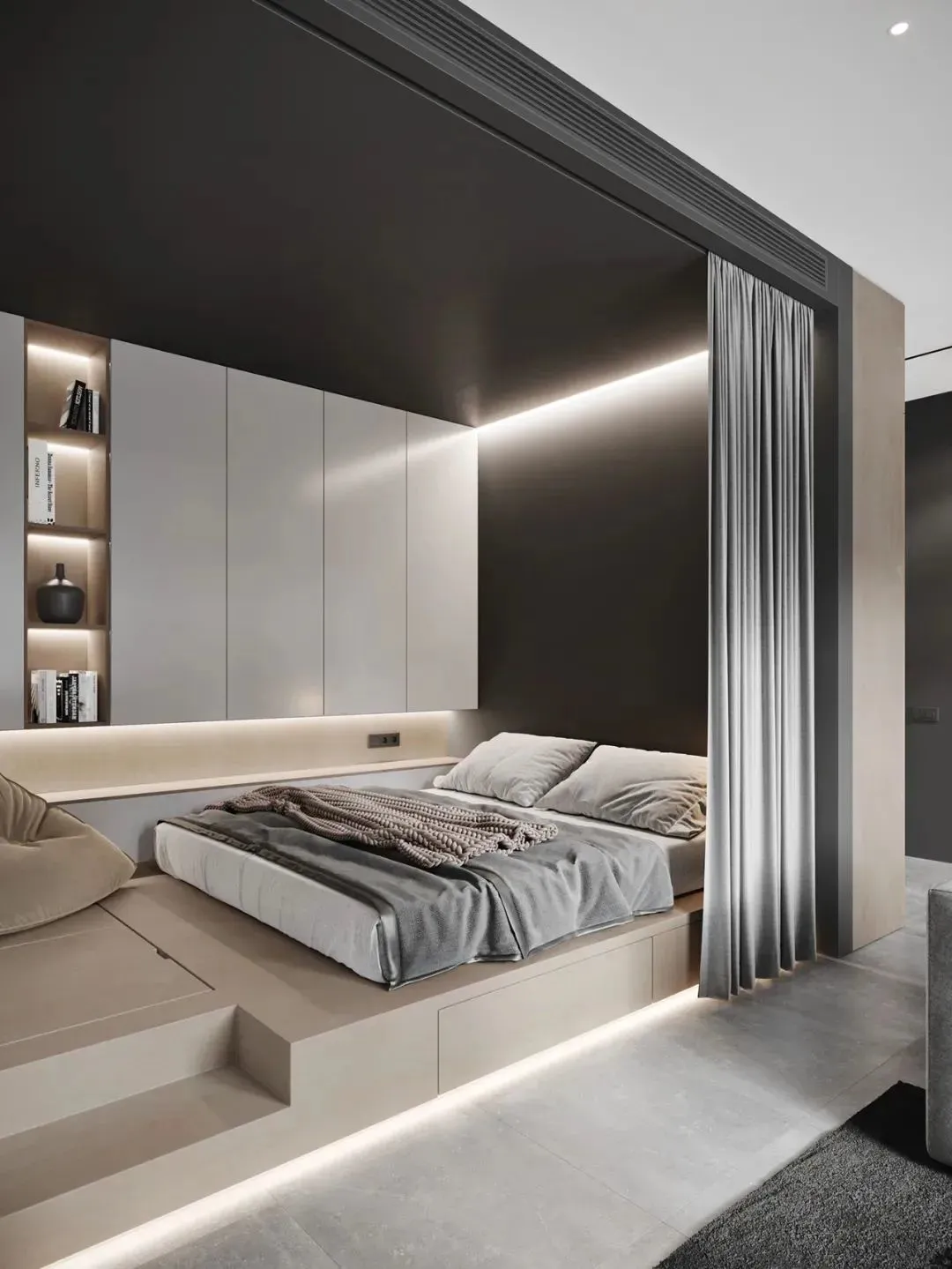
Typically, the design height of tatami mats is determined based on the floor height of the house and the storage space required. If the floor height of the house is high, reaching 3 meters or even higher, then it will be more practical to choose a tatami design with a height of 40 cm or higher. However, if the floor height is low, the height of the design needs to be reduced accordingly to avoid feeling awkward when moving on it.
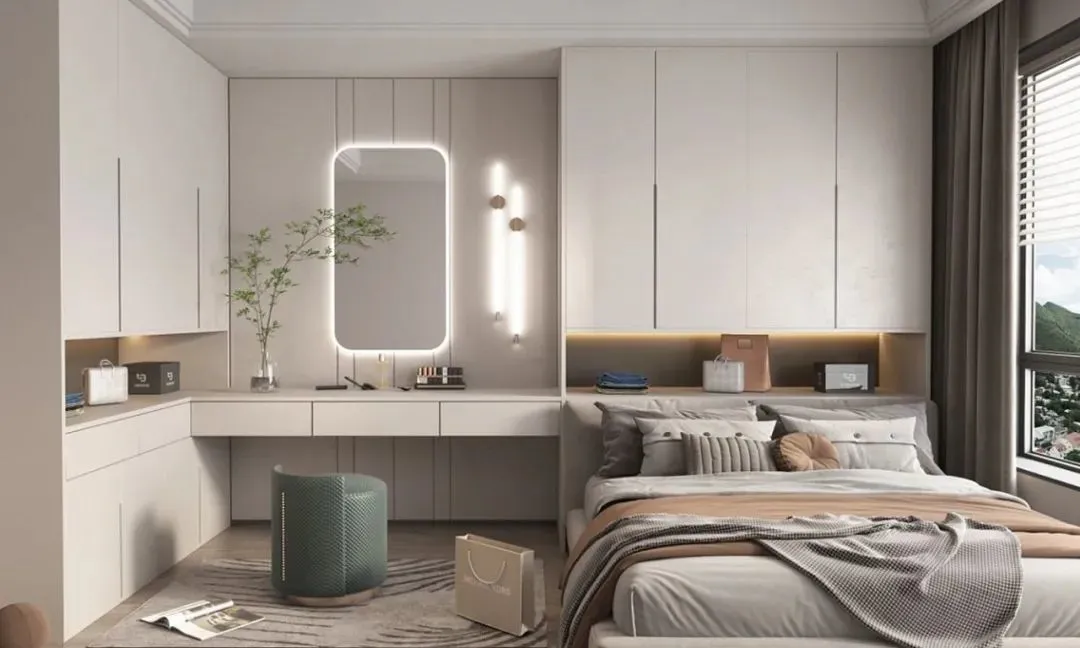
Generally, the width of tatami mats in rooms is 120, 150, 180, and 200, and the standard height is 40, 45, but the thickness specification of 40 is generally adopted. (Dimensions are in cm)
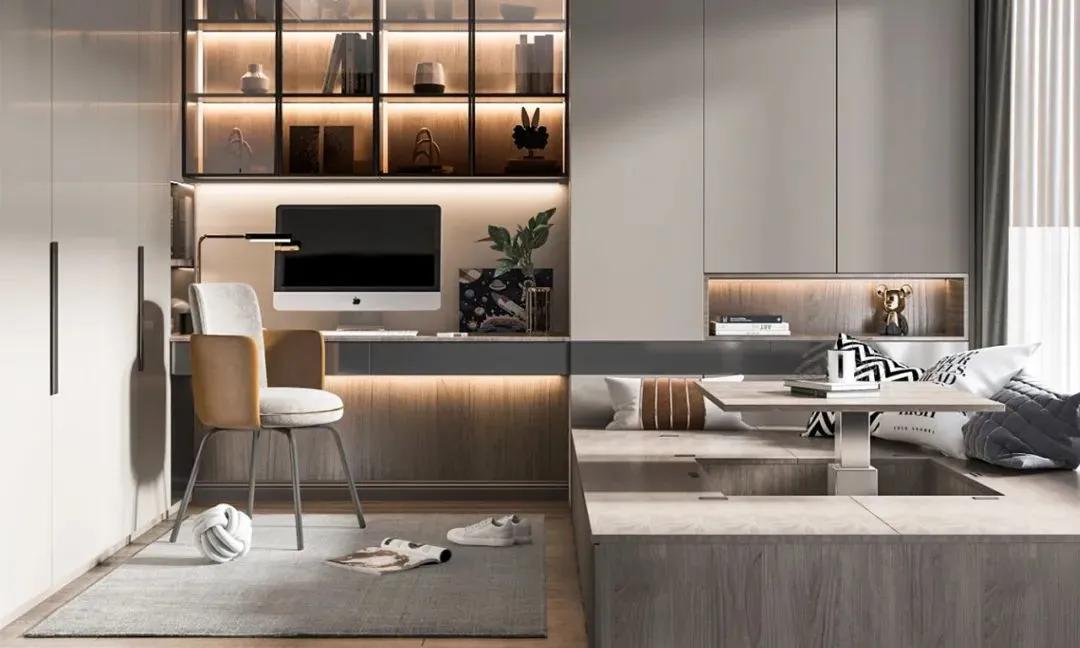
Precautions for tatami installation:
1. First of all, let’s start with the underframe. The tatami decoration underframe must be treated with insect-proof and moisture-proof treatment. It’s best to reserve a ventilation hole.
2. The surface plate of tatami floor can be made of solid wood or composite flooring, but remember that the floor should also be treated with moisture-proof and insect-proof treatment. In addition, do not destroy the original waterproof layer.
3. Pay attention to the design height of the tatami floor. If the height of the lifting table is not designed, it is generally between 150 ㎜ and 200 ㎜. The height of the lifting table is designed according to the height you want to set.
4. Don’t destroy the original waterproof layer. Do a waterproof test before decorating tatami mats. If there is leakage, the waterproof layer needs to be redone.
5. Make sure that the drainage system on the balcony floor is unobstructed, so as to prevent water from seeping into the room.
6. Any decoration should be based on the structure of the house, and don’t destroy the original structure of the house, especially the load-bearing structure, otherwise the consequences can be imagined.
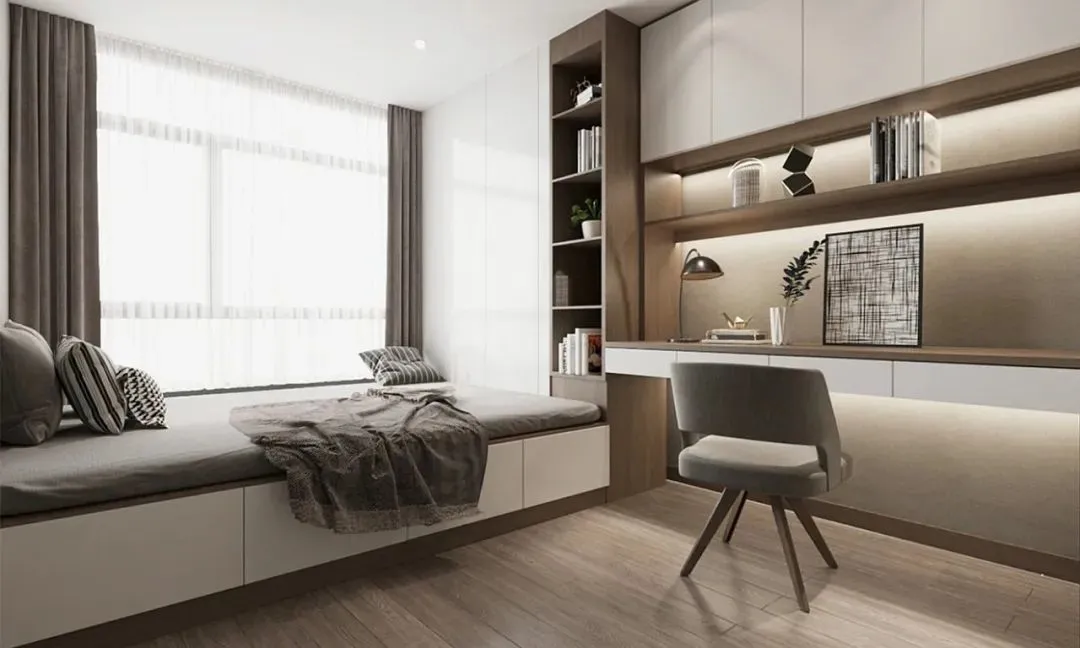
03
What are the tatami design forms?
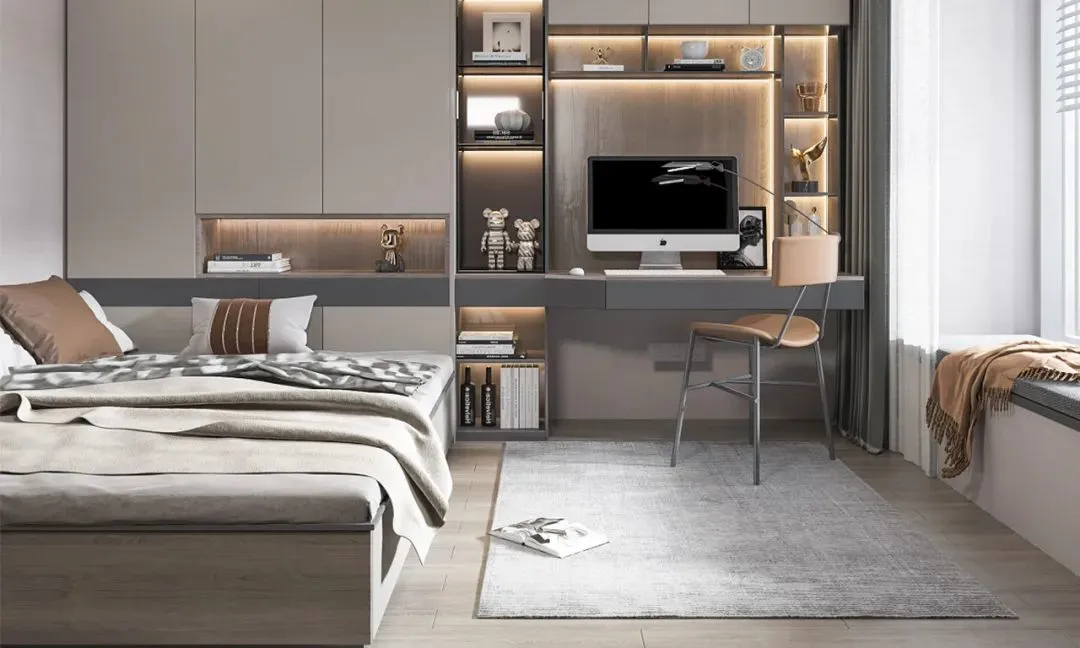
Tatami + bookcase
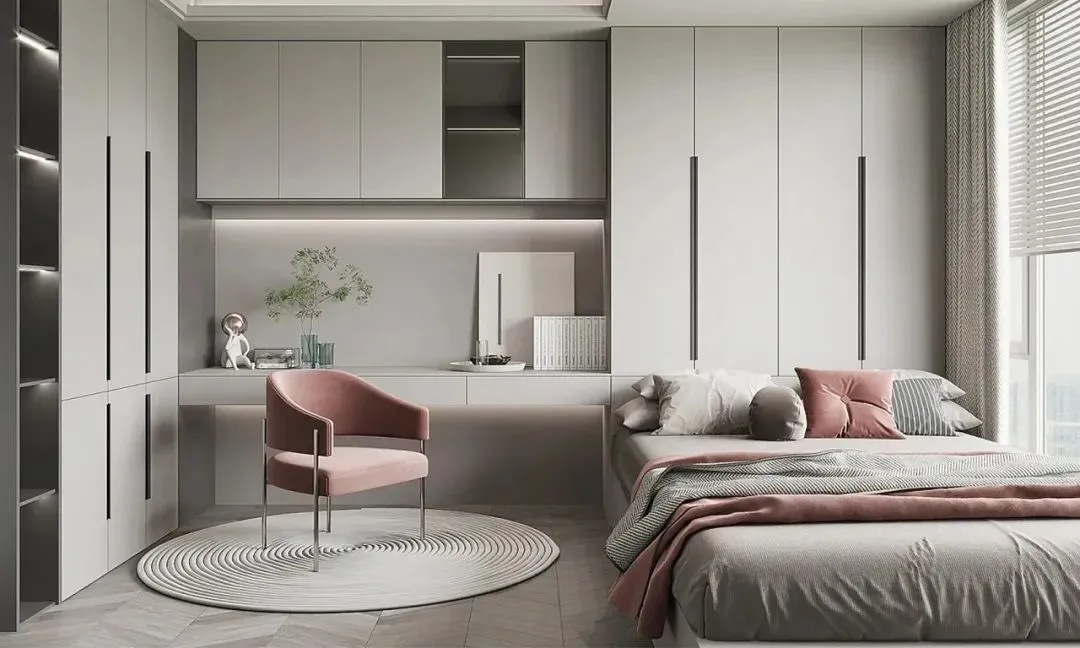
Tatami + bookshelf + wardrobe
Tatami + children’s room
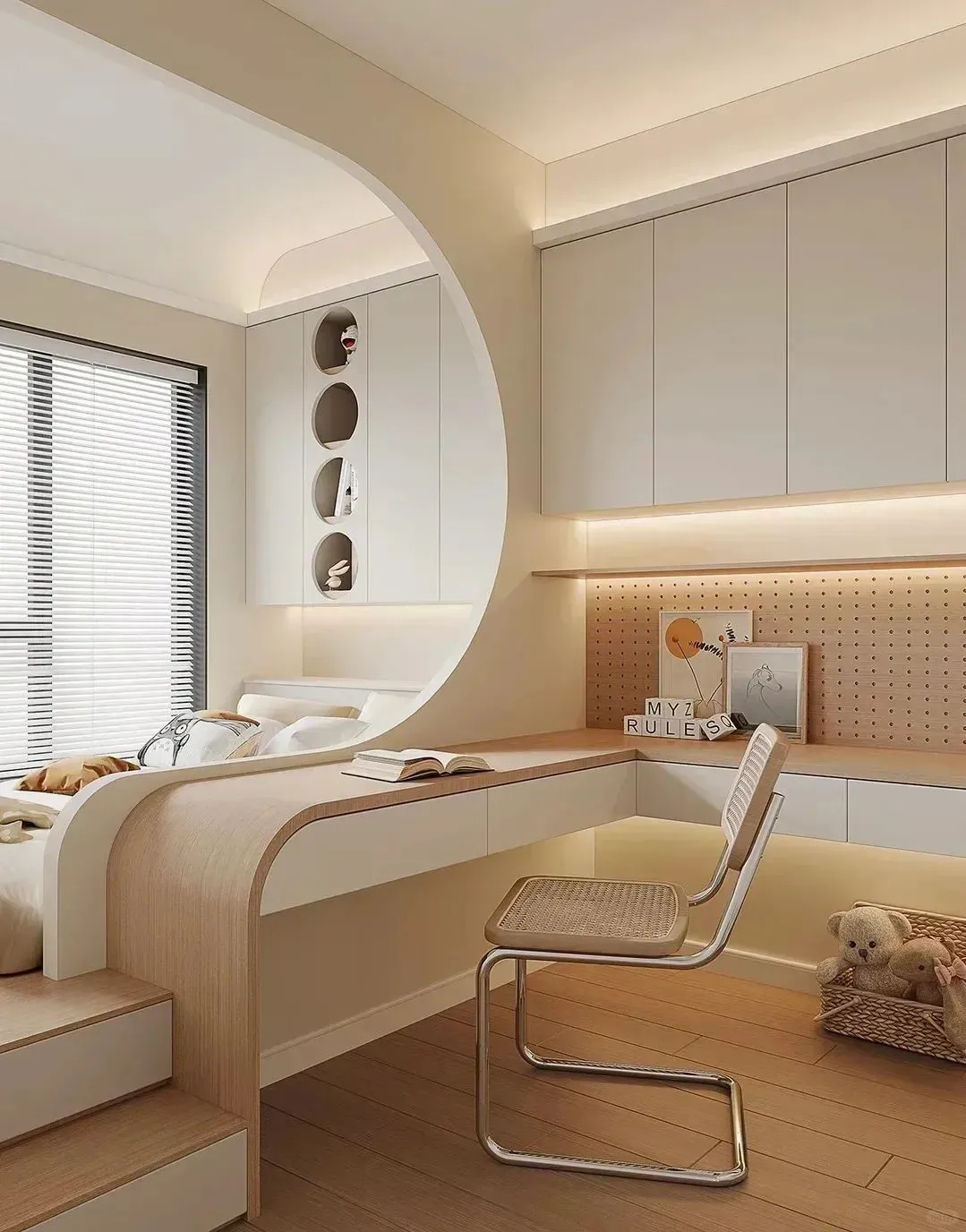
Tatami study room