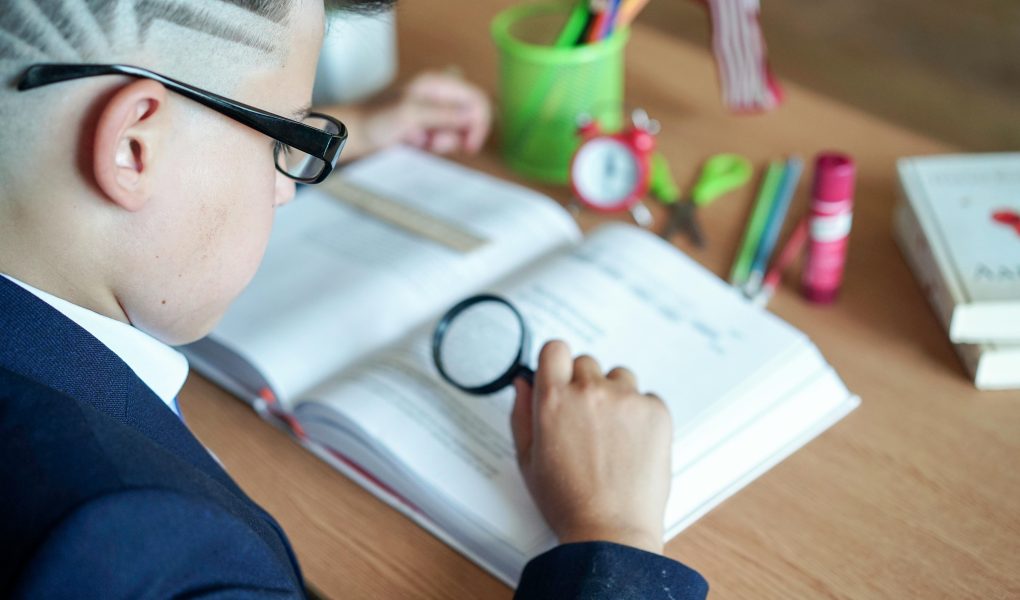
Understanding Dyslexia
Dyslexia, often referred to as a reading disorder, is a learning disability that primarily affects reading and spelling skills. It is characterized by difficulties in decoding words, reading fluently, and comprehension, despite having normal or above-average intelligence. Approximately 5-10% of school-age children are affected by dyslexia. Early identification and intervention are crucial to help students with dyslexia succeed academically and socially.
Teaching Methods for Students with Dyslexia
1. Phonemic Awareness: Phonemic awareness is the ability to recognize individual sounds in spoken words. This is a fundamental skill for students with dyslexia to build reading fluency. Teachers can incorporate activities such as syllable counting, sound blending games, and word puzzles to enhance phonemic awareness. For example, using magnetic letters or digital tools to create sound effects can make learning engaging for these students.
2. Visual Aids: Visual learning plays a significant role in helping students with dyslexia. Incorporating charts, posters, and diagrams can provide visual cues to aid understanding. Teachers can also use color overlays on black-and-white documents to help students focus on specific areas of text. For instance, highlighting the first letter of each word in a text can make it easier for students to track meaning and improve reading fluency.
Classroom Management Strategies
1. Flexible Seating Arrangements: Students with dyslexia may find it challenging to focus in a traditional classroom layout. Allowing students to choose their seating arrangement can help them create an environment that suits their needs. Some students may prefer sitting close to the board for better visual access, while others may benefit from working independently at their desks. Providing options can increase their comfort and engagement.
2. Breaking Down Tasks: Assigning tasks in small, manageable chunks can reduce anxiety and improve focus. For example, breaking reading assignments into chapters or short passages can make the workload less overwhelming. Similarly, allowing students to retake tests or quizzes can help them demonstrate their understanding without feeling pressured by time limits.
Incorporating Assistive Technologies
1. Text-to-Speech (TTS) Tools: Text-to-Speech technology can read aloud what is displayed on the screen, helping students with dyslexia to decode text more effectively. Tools like Read&Write, Read Aloud, and Textwise offer features such as voice recognition, word prediction, and text-to-speech functionality. These tools can be integrated into digital learning platforms to support independent reading.
2. Assistive Technology for Writing: Students with dyslexia may also struggle with writing, even if they excel in reading. Tools like Dragon NaturallySpeaking or Microsoft OneNote can help them dictate their thoughts, which is then converted into typed text. Additionally, graphic organizers can assist students in planning their writing before they begin, ensuring clarity and coherence in their compositions.
Conclusion
Dyslexia is a learnable condition that can be effectively managed with the right strategies and support. By adopting a variety of teaching methods, utilizing visual aids, and incorporating assistive technologies, educators can create an inclusive learning environment that empowers students with dyslexia. With patience, understanding, and the implementation of these strategies, teachers can help these students not only overcome their challenges but also thrive academically and socially.