Universal Design for Learning (UDL) is a transformative educational framework that has gained significant attention in recent years. It focuses on creating inclusive learning environments where students of all abilities can thrive. By integrating flexibility into curriculum design, UDL ensures that learning opportunities are accessible to everyone, right from the start. This approach challenges traditional one-size-fits-all teaching methods and promotes diversity, equity, and excellence in education. In this article, we’ll explore the core concepts of UDL, its principles, and how it can be effectively implemented in various learning settings.
Understanding Universal Design for Learning
UDL is rooted in the idea that learning environments should be designed to accommodate a wide range of learners. It draws inspiration from the principles of universal design in architecture, which aim to create buildings accessible to everyone, regardless of their physical abilities. Similarly, UDL seeks to remove barriers to learning by offering multiple means of engagement, representation, and action & expression.
The framework is built on three primary principles:
- Engagement:激发和维持学生的参与和动机。
- Representation:以多种方式呈现信息,确保所有学生都能理解。
- Action & Expression:提供多种途径让学生表达所学知识和技能。
These principles work together to create a flexible learning environment that caters to diverse learning needs. For example, a teacher using UDL might offer video lectures for visual learners, audiobooks for those who struggle with reading, and interactive simulations for hands-on learners. This approach not only helps students with disabilities but also benefits all learners by providing choices and reducing barriers to learning.
The Principles of UDL
1. Engagement:激发学习兴趣和动机
Engagement is about motivating students and keeping them interested in the learning process. UDL encourages educators to provide multiple ways for students to engage with the material. This can include offering a variety of activities, such as group discussions, hands-on experiments, and multimedia presentations. By doing so, teachers can cater to different learning preferences and keep students actively involved.
For instance, a history lesson might include a mix of storytelling, role-playing, and digital timelines. This variety ensures that students who are auditory learners, kinesthetic learners, and visual learners all have opportunities to engage with the content in meaningful ways. Additionally, UDL emphasizes the importance of providing clear goals and feedback, which helps students stay motivated and focused.
2. Representation:信息的多种呈现方式
Representation refers to how information is presented to students. Traditional teaching methods often rely on textbooks and lectures, which can exclude students who have difficulty processing information in these formats. UDL addresses this by encouraging the use of multiple representations of content.
Examples of representation strategies include:
- 提供文本、音频和视频等多种资源。
- 使用图表、图片和动画来解释复杂概念。
- 提供翻译工具或简化语言版本,帮助语言障碍学生理解。
By offering these varied representations, educators ensure that all students have access to the material, regardless of their learning style or ability. This approach also supports students with disabilities, such as those with visual impairments or dyslexia, by providing alternative formats that meet their needs.
3. Action & Expression:多种表达方式
Action & expression is about how students demonstrate their understanding and skills. UDL recognizes that not all students can express their knowledge in the same way. For example, some students may excel in writing, while others may be better at presenting or creating visual projects.
To accommodate this diversity, UDL encourages educators to provide multiple means of expression. This can include:
- 允许学生选择完成作业的方式,如写文章、制作视频或设计海报。
- 提供多种评估方式,如项目、测验和口述报告。
- 使用技术工具,如语音转文字软件,帮助有书写困难的学生。
By offering these alternatives, educators can better assess students’ understanding and allow them to showcase their strengths in different ways. This not only makes learning more accessible but also more engaging and meaningful for students.
Implementing UDL in the Classroom
Implementing UDL requires a shift in mindset and practice. Educators need to think about how to design their curriculum from the beginning to be flexible and inclusive. Here are some practical steps to help you get started:
1. 理解学习者多样性
Before designing your curriculum, take time to understand the diverse needs of your students. This includes considering their strengths, challenges, and learning preferences. You might conduct a needs assessment or use diagnostic tools to identify areas where students may need additional support.
For example, if you have students with ADHD, you might need to incorporate more movement breaks or interactive activities into your lessons. If you have students with visual impairments, you might need to provide materials in braille or audio format.
2. 集成数字工具
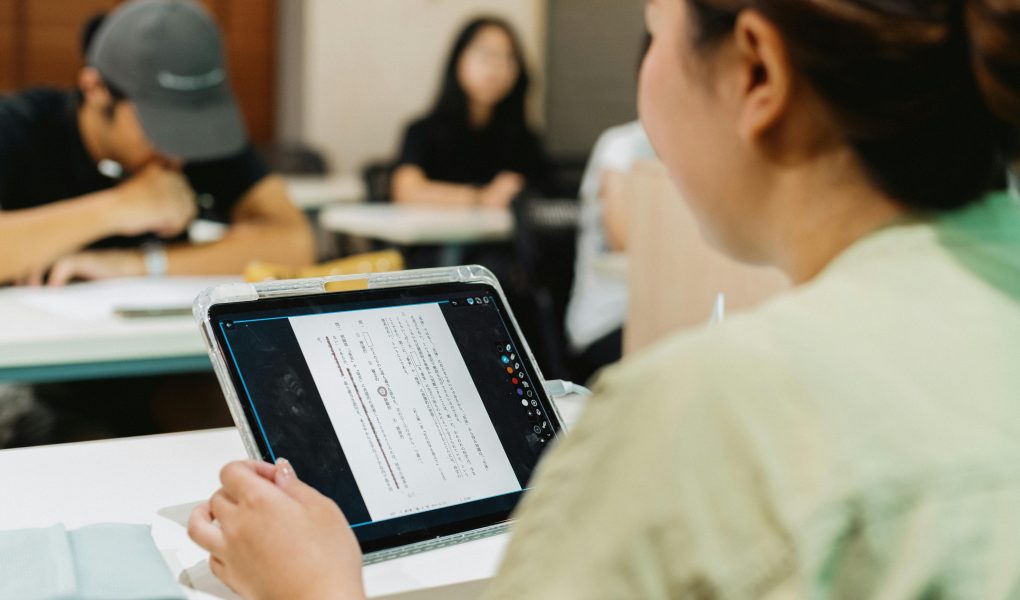
Digital tools can play a crucial role in implementing UDL. Consider using tools that offer flexibility in how students access and interact with content. For example:
- 使用可调整字体大小和颜色的电子课本。
- 提供在线测验和作业,支持多种回答方式。
- 使用互动式白板或虚拟现实技术,增强学生的参与感。
These tools not only make learning more accessible but also more interactive and engaging for students. They allow for differentiation without requiring extensive additional preparation.
3. 提供多种选择
UDL thrives on offering choices to students. Whether it’s the way they engage with content, how they receive information, or how they demonstrate their understanding, providing options can significantly enhance learning outcomes.
For example, you might offer:
- 多种阅读材料,如文本、音频和视频。
- 多种写作工具,如文字处理器、语音转文字软件和思维导图工具。
- 多种评估方式,如项目、测验和口述报告。
By giving students choices, you empower them to take control of their learning and find the methods that work best for them. This can lead to increased motivation, better retention, and improved performance.
Conclusion
Universal Design for Learning is a powerful framework that promotes inclusivity and flexibility in education. By focusing on engagement, representation, and action & expression, UDL ensures that all students have equal opportunities to learn and succeed. While implementing UDL may require some initial adjustments, the benefits far outweigh the effort. It not only helps students with disabilities but also enriches the learning experience for all students.
As educators, our goal is to create learning environments where every student can thrive. UDL provides the tools and strategies to achieve this. By embracing this framework, we can foster a more inclusive, equitable, and effective education system for all learners.